
Mastering the Art of Cutting Discs: Your Ultimate Guide
Jan 08,2026
Introduction to Cutting Discs
Hey there, DIY aficionados and professional tradespeople! If you've ever found yourself in the thick of a project, you know that having the right tools can make or break your work. Enter cutting discs—the unsung heroes of the tool world. These circular blades are designed to slice through various materials like butter, whether you're tackling metal, stone, or even wood. So, let's dive deeper into the nitty-gritty of cutting discs and uncover why they should be a staple in your toolkit!
What Are Cutting Discs?
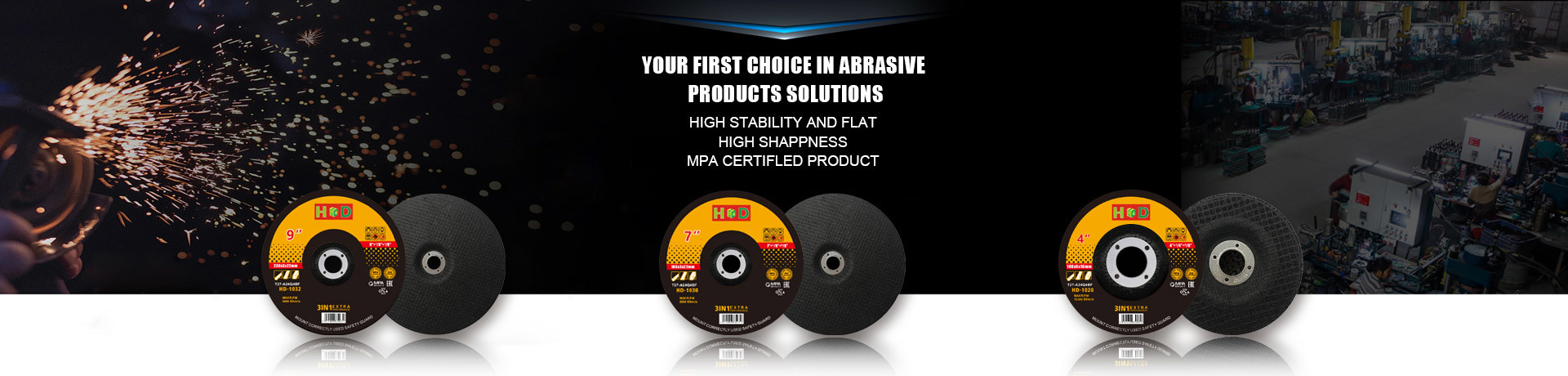
First off, let's clear the air. Cutting discs are flat, circular blades typically made from metal, resin, or diamond-encrusted materials. They're attached to tools like angle grinders or chop saws, and they spin at high speeds to make clean cuts. Whether you're a weekend warrior or a seasoned contractor, understanding the different types of cutting discs can save you time, money, and effort.
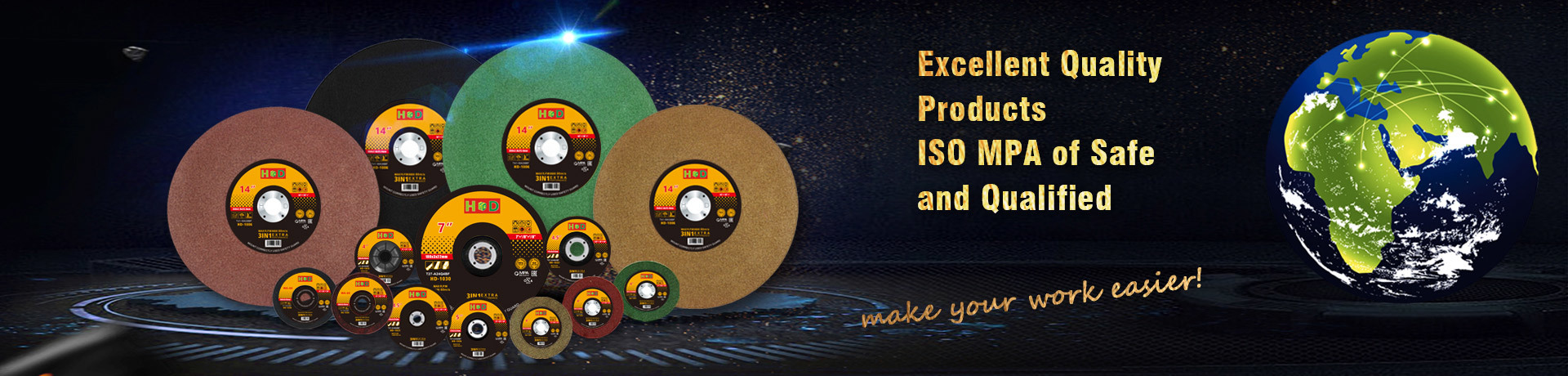
Types of Cutting Discs
Oh boy, where do we start? There's a plethora of cutting discs available, each tailored for specific tasks. Here's a quick rundown:
1. Metal Cutting Discs
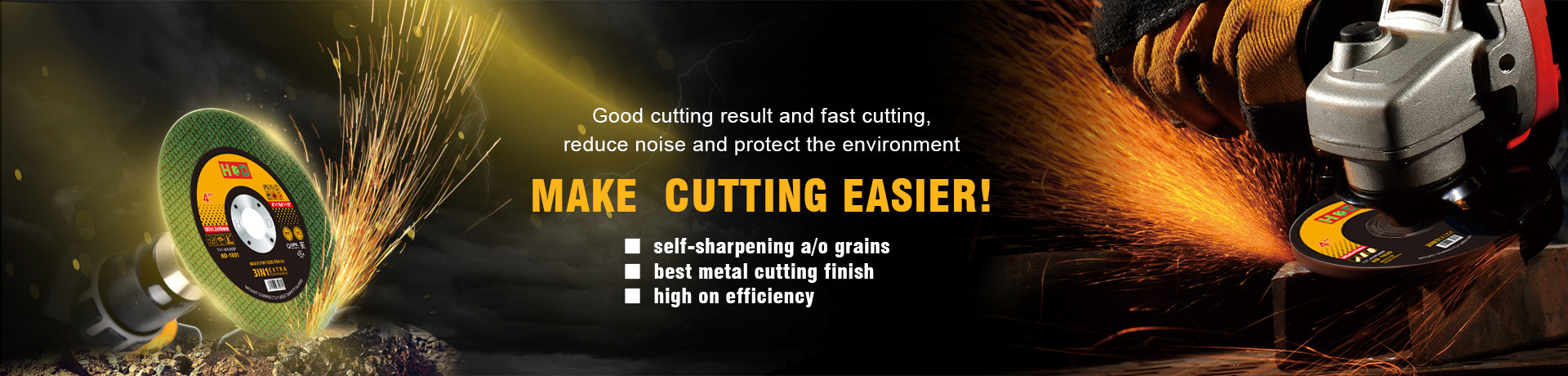
If you're working with steel, aluminum, or other metals, you'll want a sturdy metal cutting disc. These discs are designed to handle the heat generated during cutting, ensuring a precise finish without warping your material.
2. Stone Cutting Discs
For those tackling brick, concrete, or stone, stone cutting discs are your best bet. They're typically made with diamond segments that allow them to cut through tough materials without chipping.
3. Wood Cutting Discs
Yes, you heard it right! There are cutting discs specifically designed for wood. These discs feature teeth that resemble traditional saw blades, making them perfect for clean, smooth cuts.
Choosing the Right Cutting Disc
Choosing the right cutting disc can feel like finding a needle in a haystack. Here are a few pointers to help you out:
- Material Compatibility: Always match the disc to the material you're cutting. Using the wrong disc can lead to poor results or even dangerous situations.
- Disc Thickness: Thicker discs provide more durability but can cut slower. Thinner discs are quicker but may wear out faster.
- Speed Rating: Ensure your cutting disc's speed rating matches your tool. An underpowered tool can lead to accidents.
Safety First!
Now, let's not forget about safety! Using cutting discs involves inherent risks, so it's crucial to gear up. Always wear protective eyewear, gloves, and a dust mask. Additionally, ensure your workspace is free from clutter and that you have a firm grip on your tool. Better safe than sorry, right?
Tips for Using Cutting Discs
Here are some pro tips to help you maximize your cutting disc experience:
- Keep it Cool: Too much heat can warp your disc and ruin your cut. If things start heating up, take a break!
- Don't Force It: Let the disc do the work. Pushing too hard can lead to kickback or breakage.
- Store Properly: Store your cutting discs in a dry, cool place to prevent them from deteriorating.
Conclusion
So there you have it! Cutting discs are indispensable tools that can elevate your projects to new heights. By understanding the types, choosing the right one, and practicing safety, you'll be well on your way to becoming a cutting disc connoisseur. Now, get out there and start cutting like a pro!